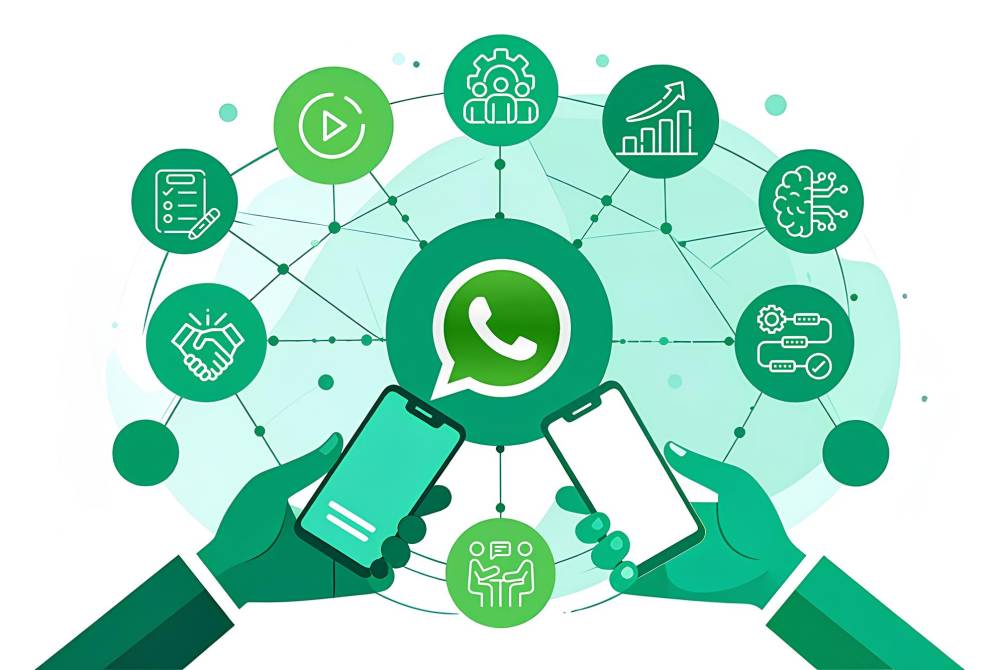
An AI-Powered Evolution: Clearer Brand Communication Through WhatsApp
WhatsApp is no longer just a one-to-one messaging app; it has evolved into a powerful communication channel competing with traditional social media platforms. According to recent research, WhatsApp has reached 3 billion monthly active users, making it one of the most widely used platforms globally (Source: Business Insider, 2025). For this reason, integrating WhatsApp into social media strategies is becoming increasingly important for brands.
Although WhatsApp was long defined as a private messaging application, its recent structural and functional updates have positioned it closer to social media platforms. With features such as Channels, Communities, story-like “Status” updates, and new interactive tools, the platform now goes beyond simple conversations. It offers brands opportunities to publish content, build engagement, and create direct relationships with target audiences.
This transformation is driven by increasing user time spent within the app and the demand for richer content experiences. WhatsApp is now playing a more active role in business communication strategies, adapting social media dynamics into its own ecosystem. The result is a more authentic, interactive, and direct communication environment for brands.
One of WhatsApp’s most notable innovations is its shift toward a content-based communication model. Through the Channels feature, brands can deliver one-way curated content directly to followers. Communities allow multiple groups to be gathered under one umbrella, enabling segmentation, targeted content streams, and more structured communication strategies.
Instagram-like interactive tools are being integrated into WhatsApp Status. Question boxes can now be added to status updates, enabling real-time engagement with audiences. The upcoming “Add Yours” tag is expected to encourage chain-based user-generated content. Music stickers, custom media elements, and collage options make status updates more creative, dynamic, and visually compelling.
Poll functionality within status updates allows brands to gather feedback quickly and effectively. Emoji reactions and animated stickers strengthen emotional expression, while selfie stickers and personalized effects add a playful and authentic dimension to conversations. These developments make the user experience more intuitive and personal.
WhatsApp has begun integrating advertising placements into the Status and Channels sections, establishing a new revenue model. Additionally, AI-powered bot integrations currently in testing allow users to interact with automated assistants on specific topics. These updates position WhatsApp not just as a messaging app, but as a measurable and targetable digital marketing platform for brands.
For brands, this transformation requires a shift in communication strategy. Question boxes in status updates enable more direct dialogue with audiences. Polls and interactive stickers encourage user participation. The introduction of advertising placements helps brands reach new audiences, while AI-powered bots accelerate customer service and automation processes.
– WhatsApp channel and community strategy development
– Interactive status content design (polls, music, question boxes)
– Promoted channel and advertising management
– AI bot integration consulting and communication automation
WhatsApp is evolving into an interactive, content-driven, ad-supported, and AI-powered social media platform. This transformation requires brands to adopt more personalized, targeted, and dynamic communication strategies. At Ideart, we guide brands through this transition.