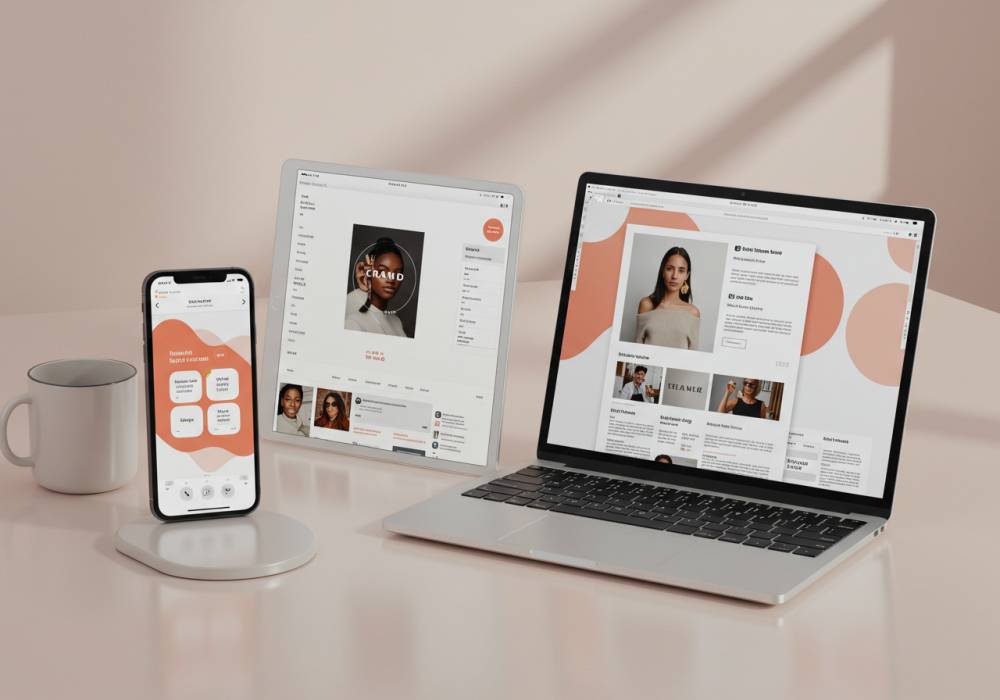
Corporate identity is the most visible expression of the relationship a brand builds with its audience. Traditionally shaped by logo design, color palettes, typography, and printed materials, this identity is now being redefined according to the rules of the digital world. Digital corporate identity ensures that brands present a consistent, trustworthy, and memorable presence across every touchpoint — from websites and social media accounts to mobile applications and digital customer experiences.
So why is digital corporate identity so important, and what value does it create for brands?
Digital corporate identity is the adaptation of all visual and communication elements of a brand to digital platforms. While traditional identity components such as logos, typography, and color palettes remain essential, in digital environments they expand into a broader ecosystem:
• Website UX/UI design
• Social media visual language and content tone
• Mobile application iconography and user experience
• Digital presentation templates, newsletters, and email signatures
• Motion graphics, animations, and short-form videos
1. Brand Trust and Professionalism
First impressions across digital touchpoints (websites, social media, e-commerce platforms) play a critical role. A consistent digital corporate identity strengthens credibility and positions the brand as professional and reliable.
2. Omnichannel Consistency
Customers encounter brands through multiple channels (Instagram, LinkedIn, websites, mobile applications). When these channels reflect the same visual and verbal language, brand positioning becomes clearer and more memorable.
3. Global Visibility
Digital identity enables brands to communicate clearly not only locally but globally. Visual and content consistency ensures that brand perception remains strong across different cultures and markets.
• Websites and Mobile Applications: User-friendly interfaces, fast access, compliance with accessibility standards.
• Social Media: Cohesive color systems, visual templates, and tone of voice. Persona-based content production.
• Digital Assets: Banners, newsletters, presentation templates, and digital advertising materials.
• Digital Experience: Chatbot design, personalized user journeys, and interactive content.
• AI-Powered Identity Guidelines: Artificial intelligence now enables brands to develop dynamic and adaptive identity systems.
• Motion Identity: Animated logos and flexible identity systems are increasingly replacing static designs.
• AR/VR-Based Experiences: Brands can create immersive identity ecosystems within virtual environments.
• Accessibility-Focused Design: Digital identity systems prioritizing inclusive user experience are becoming global standards.
Digital corporate identity is no longer optional — it is strategic infrastructure. When brands establish a consistent and well-structured digital identity, they gain not only visual coherence but also a competitive advantage.
For us, digital corporate identity is not merely aesthetic; it is a strategic communication tool. At Ideart, we believe brands should be represented strongly not only in physical environments but also in digital ecosystems. Through our holistic approach — extending from packaging design to digital visual identity systems — we ensure that brands tell the same story at every touchpoint.
For example, the packaging language developed for the Fruitever brand is consistently carried into digital channels. The same color coding, typography, and visual system are preserved across the website, social media, and e-commerce platforms, strengthening the brand’s connection with its audience.
At Ideart, when building your digital corporate identity, we combine design expertise with communication strategy to deliver holistic solutions. If you want to position your brand strongly in the digital world, contact us.